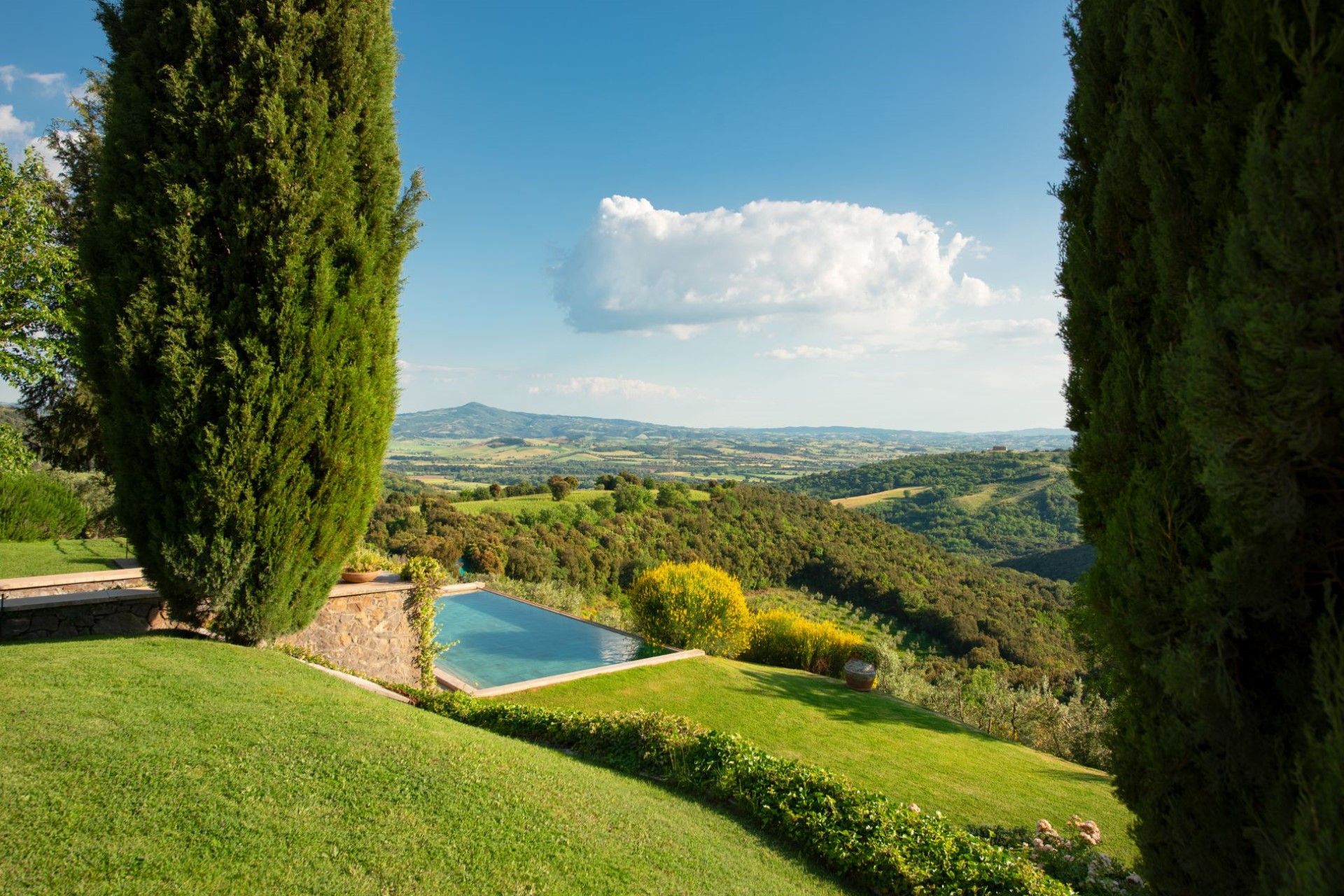
Vineyard Villas in Tuscany: Chianti Estate Guide
Chianti Classico · Maremma · Lucca
Vineyard Villas in Tuscany: Chianti Estate Guide
A villa surrounded by vineyards is the most iconic Tuscan experience — and the most misunderstood. Not every Tuscan villa with a vineyard view is actually inside a working wine estate, and not every wine estate is licensed for guest stays. This guide covers the difference, plus the three flagship vineyard villas in our portfolio where the wine is part of the stay, not just the scenery.
A complete guide to vineyard estates in Tuscany — featuring Castello di Vicarello, Il Cellese, and La Pergola, with the Chianti Classico and Super Tuscan designations explained.
Vineyard Stays at a Glance
Chianti Classico vs. Super Tuscan: What the Wine Zone Actually Means
If you’re considering a vineyard villa stay in Tuscany, the two most important designations to understand are Chianti Classico DOCG and Super Tuscan IGT. They refer to different geographies, different grape compositions, and different quality standards — and they determine the style of wine experience you’ll have on the estate.
Chianti Classico DOCG is the historical heart of Chianti wine production, located between Florence and Siena. It is a small, strict designation — only about 70,000 hectares, of which only 10,000 are vineyard. The wines must be at least 80% Sangiovese, and production rules are closely regulated. Vineyards here are typically smaller, family-run, and produce premium quality wine. A villa inside Chianti Classico — like Il Cellese — offers the most authentic wine-country experience.
Super Tuscan IGT is a broader designation that emerged in the 1970s to allow winemakers to experiment with international grape varieties (Cabernet Sauvignon, Merlot, Syrah) outside the strict DOCG rules. Some of Tuscany’s most famous wines — Sassicaia, Ornellaia, Tignanello — are Super Tuscans. Vineyards under this designation are typically larger, more modern, and often coastal (Bolgheri, Maremma).
Understanding this distinction matters because it determines the kind of stay you’ll have. A Chianti Classico estate feels rooted in tradition — small vineyards, historic cellars, family-run winemaking. A Super Tuscan estate feels more contemporary — larger operations, modern architecture, international grape varieties. Our Tuscany vineyard estates collection includes both formats.
Three Flagship Vineyard Villas in Tuscany
Each of our three vineyard villas offers a different wine experience — from historic castle cellars to Chianti Classico hillside estates to Lucca-area vineyards.
Castello di Vicarello
A 12th-century castle estate in the Maremma, surrounded by 50 hectares of private vineyard. Michelin-trained chef, historic wine cellar, and cellar-to-table dinners.
BEST FOR: CASTLE WINERY EXPERIENCE
Il Cellese
A 10-bedroom Chianti Classico estate in the heart of the designation, with a working wine cellar, estate olive groves, and Chef-led wine-paired dinners.
BEST FOR: CHIANTI CLASSICO PURISTS
La Pergola
A family-style Chianti villa with an infinity pool overlooking vineyard rows, cooking classes, and chef-led wine pairings with local producers.
BEST FOR: FAMILIES · HANDS-ON WINE
Planning a Vineyard Villa Stay?
Our concierge arranges private winery tours, cellar tastings, sommelier-led dinners, and harvest-season stays across Tuscany.
Four Things to Look For in a Vineyard Villa
A villa with a vineyard view is easy to find. A villa that offers a genuinely integrated wine experience is rare. These are the four features worth checking before booking.
Working Vineyard On-Site
Not every villa with a vineyard view actually grows grapes. Confirm the villa has an active working vineyard on the estate — not just neighbouring vineyards. Castello di Vicarello has 50 hectares of its own vineyard; Il Cellese works directly with local Chianti Classico producers.
Wine Cellar Access
The best vineyard villas have their own historic wine cellars where guests can taste and purchase estate wine. Il Cellese has a working cellar with wine-paired dinners; Castello di Vicarello has a 12th-century cellar that hosts tastings. Confirm cellar access is included in your stay.
Harvest-Season Access
The harvest (vendemmia) happens from late August to early October, and the best vineyard villas allow guests to participate in the harvest — from grape-picking to pressing. Ask if harvest-participation experiences are offered during your dates. La Pergola coordinates hands-on vineyard days for guests.
Sommelier & Wine Pairing
The best estates pair their wine programme with a sommelier — either on staff or as an add-on service. Sommelier-led wine-paired dinners with private chefs are the most requested experience at all three vineyards. See our Tuscany Villas with Private Chef guide for pairing details.
Beyond the Villa: Tuscany’s Best Wine Tours
A vineyard villa stay opens up four exceptional wine tours within a 60–90 minute drive of all three flagship estates. These are the ones our guests request most often.
When to Book a Vineyard Villa Stay
The vineyard villa season is defined by the harvest. Late August to early October is the most dramatic time to stay — the vines are heavy with fruit, the harvest is underway, and estate wine is flowing. This is also the most requested window at all three vineyard estates.
September is the peak month. Temperatures are moderate (20–25°C), the harvest happens, and the foliage begins to turn. October is the second-best window — the harvest wraps up, the foliage peaks, and the estates host final dinners before the winter shutdown.
For a vineyard villa stay during the harvest, book 9–12 months in advance. For spring (April–May) and summer (June–August), book 6–9 months ahead. For more Tuscany context, see our guides to Tuscany Villas with Private Chef and Large Group & Family Villas.
Explore Tuscany in Depth
Pair your vineyard stay with other Tuscan experiences.
Frequently Asked Questions: Vineyard Villas in Tuscany
What’s the difference between Chianti Classico and Super Tuscan?
+
Which Tuscany villa has its own working vineyard?
+
When is the best time to visit a Tuscany vineyard villa?
+
Can we participate in the harvest at a Tuscany vineyard villa?
+
Do vineyard villas in Tuscany include wine tastings?
+
When should we book a Tuscany vineyard villa for the harvest?
+
Reserve Your Tuscany Vineyard Villa
Connect with the ShavyStays Private Concierge to explore Castello di Vicarello, Il Cellese, La Pergola, and other Tuscany vineyard estates — complete with private chefs, wine pairings, and harvest-season experiences.